Global Leadership: How to Manage Remote Teams Without Losing Your Sanity (and Profit)

Gabriel Sorrentino
Founder · AI Solutions Architect, FluencerAI
5 min read

If you still get that uneasy feeling when you think about your lead developer being in Berlin, your designer in Curitiba, and you trying to orchestrate everything from São Paulo, take a breath. You’re not alone. The shift to global leadership and remote work brought a very real fear to many CEOs and founders: the feeling that you’re losing control.
But here’s the blunt truth: if you still believe that “a good team is a team in the office,” you’re leaving money on the table. Managing remote teams is not a problem to survive. It’s a serious competitive advantage when done right. We’re talking about operational cost reductions of up to 35% and access to the best talent in the world, not just the best talent within a 10-kilometer radius of your HQ.
In this post, we’ll break down how to lead these modern structures without going insane, and how Artificial Intelligence becomes the “operations manager” you always wanted but didn’t know how to hire.
Executive Summary: Remote Leadership in 30 Seconds
- The focus changed: Forget tracking hours. What matters now is output.
- The pillars: Trust, Communication, and Motivation are the foundation. Without them, any management tool fails.
- Acceleration with AI: Integrating AI Agents and AI Employees removes communication bottlenecks and automates repetitive work, so your team can focus on strategy.
- Flexibility: The on-demand talent model lets you scale your operation at the same speed as your growth.
The End of the Myth: Control vs. Results
Many leaders confuse “presence” with “productivity.” In the traditional model, seeing someone in a chair from 9 to 6 created a false sense of safety. In remote work, that illusion disappears.
Modern management requires a mindset shift: you move away from micromanaging tasks and toward managing outcomes. If your team delivers what was agreed on, at the expected quality level, and on time, does it matter if they worked in pajamas at 3 a.m. or from a café at 10 a.m.? Spoiler: it doesn’t.
Companies that master this transition become talent magnets. If you want to see how this translates into real execution and high-performance delivery, check out our Showroom, where we show how the right technology and the right management approach create scalable products.
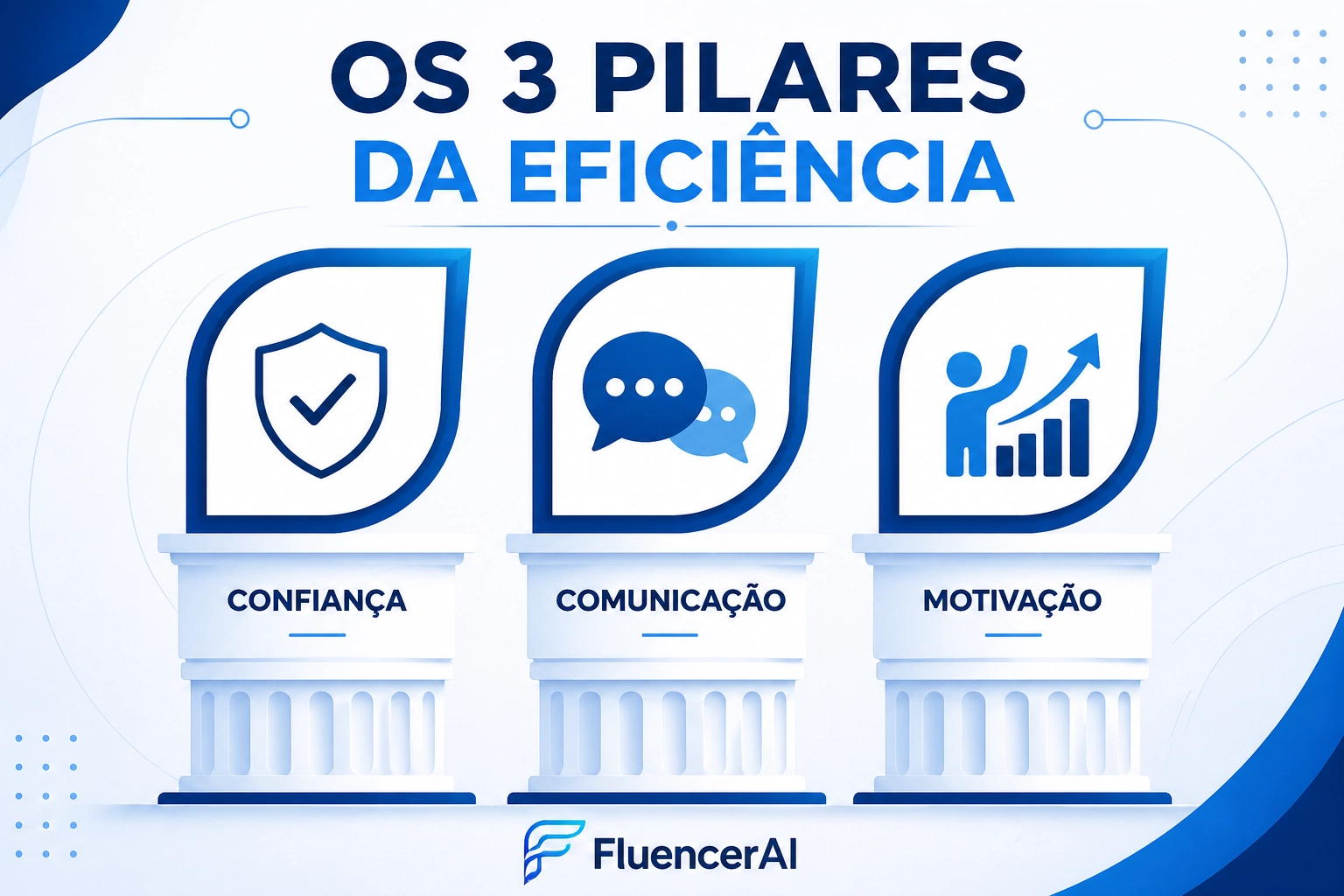
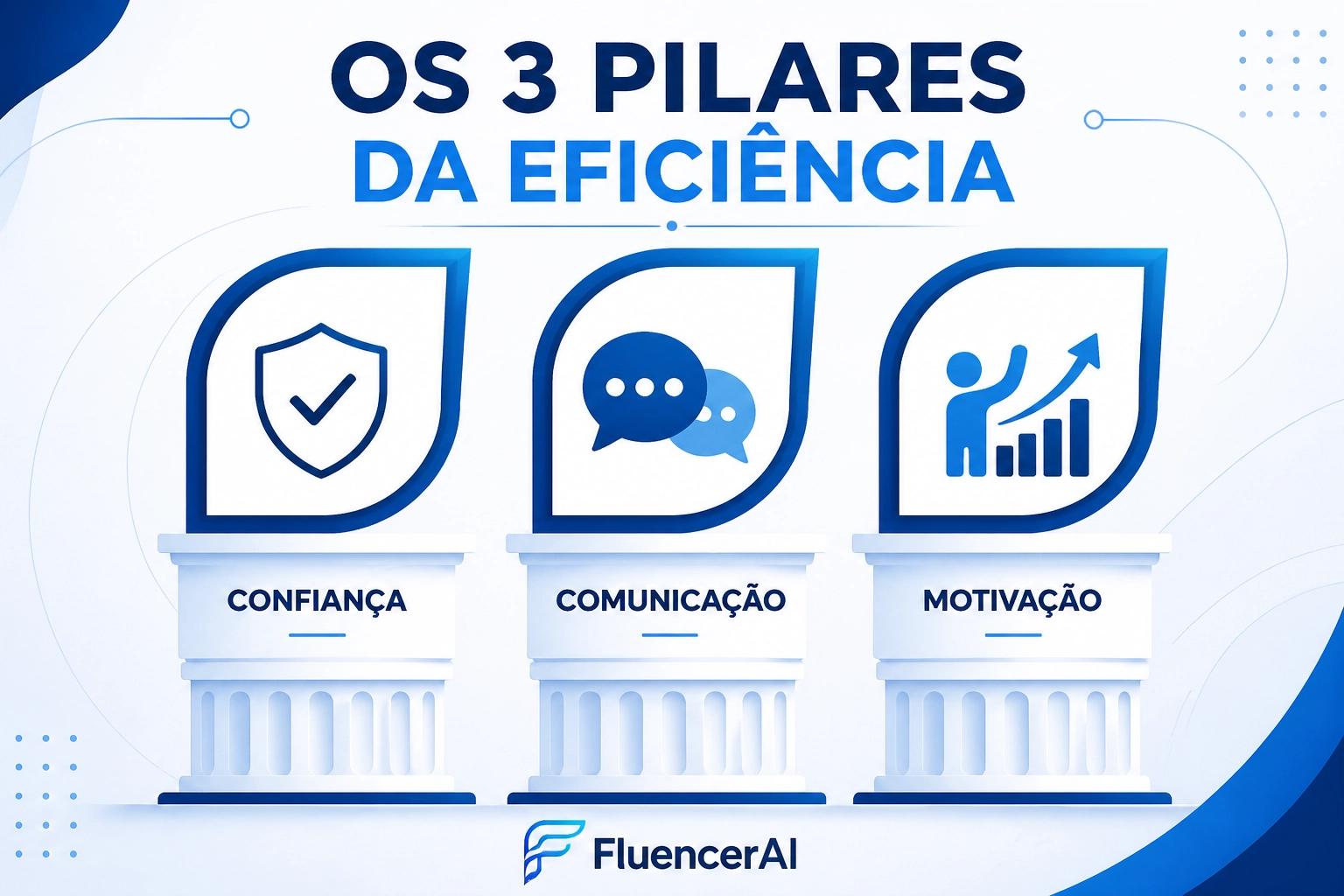
The 3 Pillars of Remote Efficiency
For a distributed team to run like a well-built machine, you need a solid three-part foundation. If one part breaks, profit drops.
1. Trust (The end of micromanagement)
Trust is the hardest pillar, but also the most rewarding. It means giving each team member enough autonomy to make decisions within their area of expertise. When you hire senior people — or use a CTO on Demand to guide your strategy — you’re not just paying for their time. You’re paying for technical judgment.
2. Communication (Clarity above everything)
In remote work, nothing is “obvious.” Clear communication requires smart use of tools like Slack and Trello, but also documented processes. The goal is to avoid the endless ping-pong of emails and unnecessary meetings that drain your team’s energy.
3. Motivation (Purpose and recognition)
How do you keep someone engaged without the office coffee chat? The answer is constant feedback and alignment around purpose. A freelancer or remote contributor needs to feel that the project’s success is also their success. Positive reinforcement here is not a “nice to have.” It’s a global talent retention tool.
TaaS: Talent as a Service and Global Agility
Imagine being able to turn your company’s technical capacity on and off based on what the business needs. That’s the concept behind Talent as a Service (TaaS). By integrating global freelancers and specialists, your company stops being a heavy, slow structure and becomes a flexible network.
Global leadership allows you to work with specialists in deep niches — such as software architecture for SaaS or data security — on specific projects. That eliminates the cost of keeping an inflated payroll full of talent you only need 20% of the time.
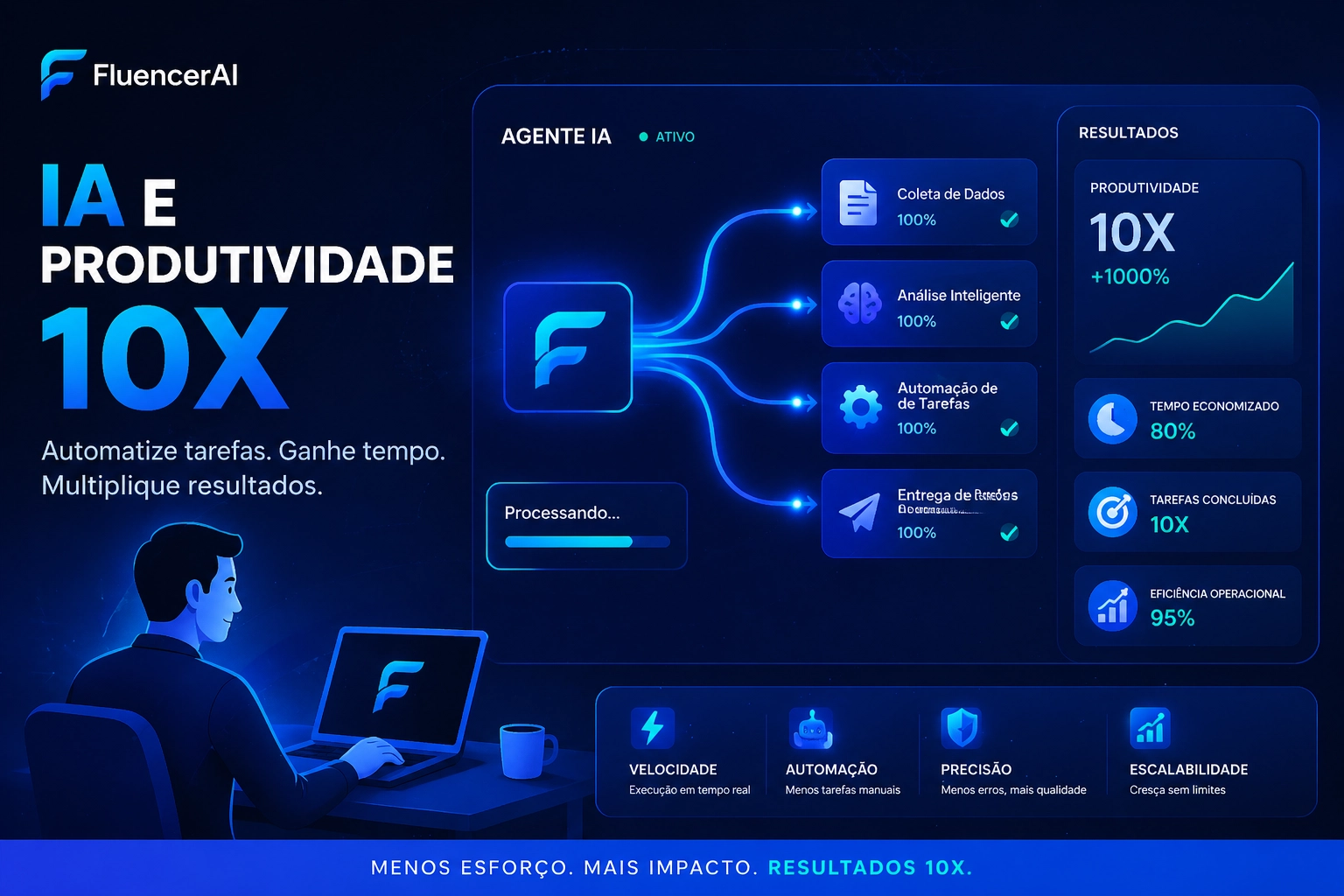
The Digital Multiplier: AI and Process Automation
This is where FluencerAI really starts to shine. If managing people across time zones feels complex, Artificial Intelligence is what helps you orchestrate the chaos.
Process Automation ensures that while your human team sleeps in one time zone, your AI Agents keep qualifying leads, answering basic support requests, or processing financial data.
How AI Employees transform management:
- 24/7 availability: They never get tired and don’t need emotional management.
- Error reduction: Repetitive processes that humans hate — and often get wrong — are handled consistently by AI.
- Immediate scalability: Need to double your support capacity today? With AI Employees, that’s one decision, not a three-month HR process.
By delegating the heavy lifting to automation, your global leadership can focus on what actually matters: strategy, innovation, and culture.
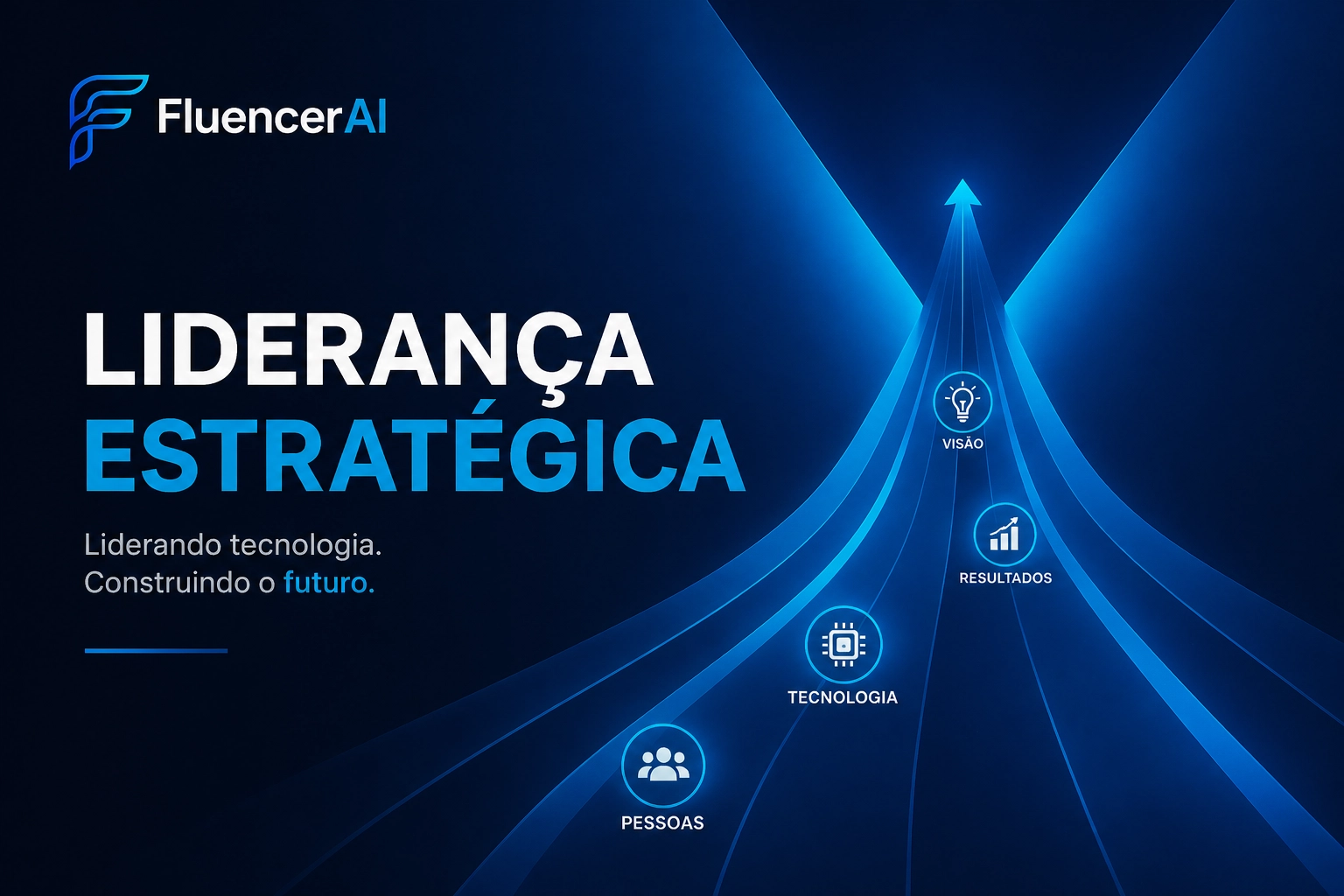
Conclusion: The Future Is Hybrid, Global, and Automated
The age of physical control is over. The age of strategic efficiency has started. Leading global teams requires the courage to trust, the clarity to communicate, and the intelligence to use technology in your favor.
If you’re ready to turn your local, manual operation into a global machine powered by AI and automated processes, we can help. FluencerAI is not just a consultancy. We’re the execution partner that gets hands-on to design your agents, automate your workflows, and make sure your technology becomes a profit engine instead of a cost center.
Want to see how this structure would apply to your business right now? Talk to FluencerAI and schedule a diagnosis of your operation.
About the Author
Related Articles
The Architecture of Coding Agents: Why the "Harness" is the Brain of the Operation
!Coding Agent Architecture Have you ever tried asking ChatGPT or Claude to build an entire system from scratch using only the chat window?
4 min read

Checklist: Should I Build an AI Agent or a Workflow Automation?
The AI hype has brought a dilemma for CEOs and operations leaders: does everything need to be an "Agent" now?
4 min read
The End of Software and the Beginning of Execution: Why Your Company Needs to be AI-First
Sequoia Capital, one of the world's leading Venture Capital firms, recently published a thesis that should keep many CEOs and technology managers awake at night: the next most
5 min read
Ready to transform your business?
Schedule a free call and discover how AI can scale your operations.