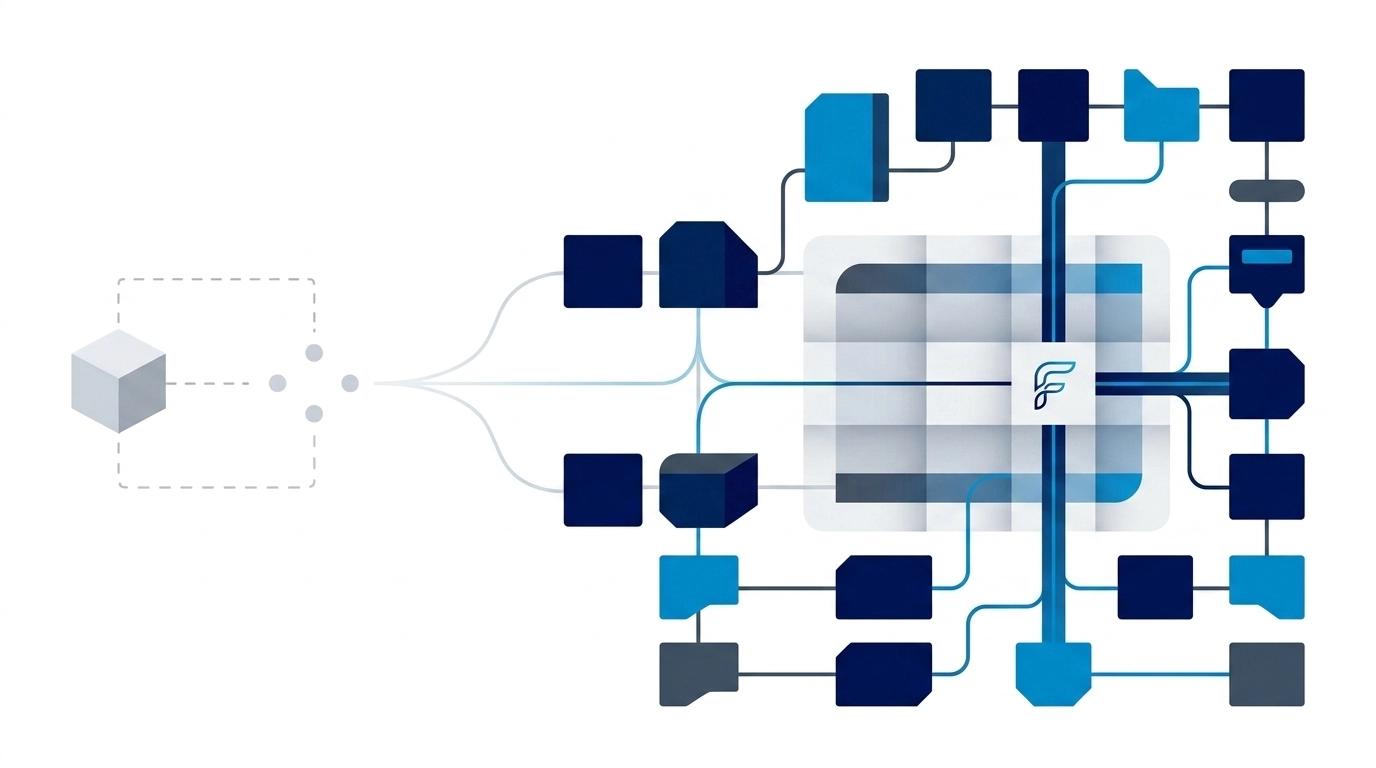
From Demo to Production: Why Infrastructure and Data Matter More Than the Model

Gabriel Sorrentino
Founder · AI Solutions Architect, FluencerAI
3 min read
You’ve seen this movie before: a company showcases an impressive AI agent demo. It answers complex questions, summarizes documents, and seems ready to revolutionize operations. Three months later, the project is shelved. The reason? It failed in the "real world."
The truth is uncomfortable for those seeking magic solutions: only about 5% of AI pilots actually reach real production in enterprises.
The gap between a prototype that shines in a presentation and a system that supports critical processes isn’t measured by the "intelligence" of the model (GPT-4, Claude 3.5, etc.), but by the engineering behind it. If you want AI to leave the lab and start generating ROI, you must shift your focus from the model to the infrastructure.
1. Data is the Product (Context Engineering)
Many companies treat context as something you "just plug into" the AI. Fatal mistake. In production systems, data is the product.
The model is just the "calculator." What determines the quality of the output is context engineering: how you structure, clean, and retrieve the right information at the exact moment. Success requires advanced AI development and data curation that goes far beyond a simple prompt.
2. The Adoption Benchmark: ChatGPT vs. Internal Tools
Your employees are already using ChatGPT or Claude at home. That is their quality bar. If your internal tool is slower, dumber, or harder to use than the free version they access on their phones, they will stop using it.
Adoption isn't a training problem; it's a delivery problem. AI must solve a real pain point, fit into the existing workflow, and then "get out of the way."
3. The Runtime Harness: Where Engineering Lives
The agent itself is often the easy part. The hard part is the runtime—the infrastructure that allows the agent to survive real-world execution.
For an enterprise operating at scale, an AI agent needs:
- Long-term Memory: Does it remember a conversation from two weeks ago?
- Tenant Isolation: Data from one client must never leak to another.
- Observability: Can you audit why the AI made decision X instead of Y?
- Compliance: Does the system respect security and privacy rules?
Without this infrastructure "harness," you don't have a product; you just have an expensive toy.
4. Modular Architecture or Death
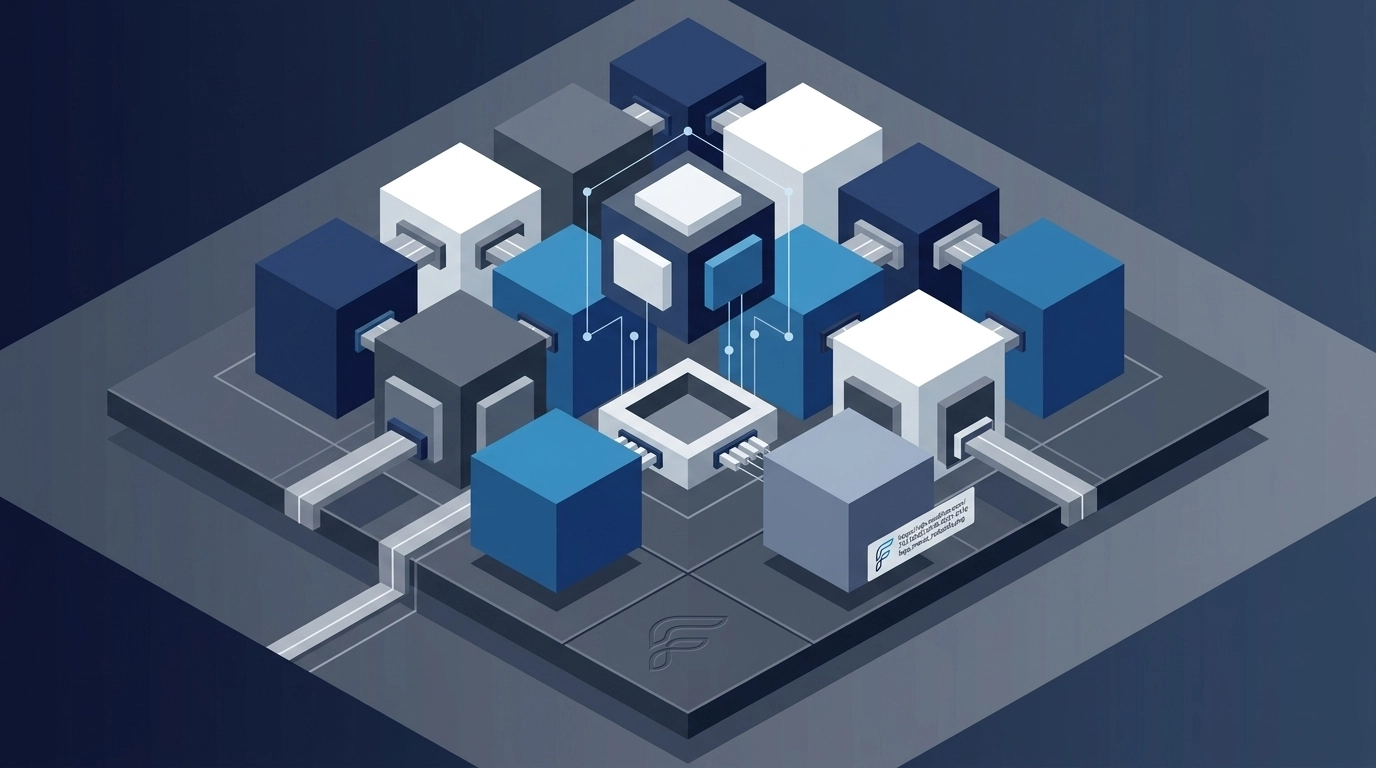
The AI field changes every week. If you build a system where the model is tightly coupled with the code, you are creating instant legacy.
Modern process automation demands modularity. If a newer, cheaper, faster model is released tomorrow, you should be able to swap it out without rebuilding the entire application. This requires a robust layer of APIs and integrations.
Conclusion: Strategy over Hype
Moving AI to production is a game of patience, engineering, and business vision. It’s not about who has the smartest model, but who has the most resilient system and the best-structured data.
If your company is stuck in the "demos that go nowhere" phase, perhaps what’s missing is the technical leadership to bridge the gap. At FluencerAI, we act as your fractional CTO, helping you design and execute this journey from prototype to production.
Is your AI ready for the real world, or is it just a pretty slide?
About the Author
Related Articles
Why Everyone is Talking About MCP (And How It Connects Your AI to Company Data)
Have you ever tried using AI to analyze your company's data only to realize it seems to "live in a bubble"?
5 min read
7 Mistakes You're Making with AI Agent Implementation (and How to Fix Them)
You’ve likely heard that AI agents are the future of business productivity.
5 min read

Digital Genetic Code: Why 'Having AI' isn't the same as 'Being AI' in 2026
It is April 2026, and the Brazilian corporate landscape has just received a reality check.
4 min read
Ready to transform your business?
Schedule a free call and discover how AI can scale your operations.