How AI Is Redesigning the Pact Between 5 Generations at Work

Gabriel Sorrentino
Founder · AI Solutions Architect, FluencerAI
5 min read

Five generations working together would already be complex on its own. Now add AI at the center of operations, accelerating decisions, automating steps, and changing how experience and execution meet. The result is not just a modernization of work. It is the quiet renegotiation of a new pact between very different profiles, rhythms, and expectations.
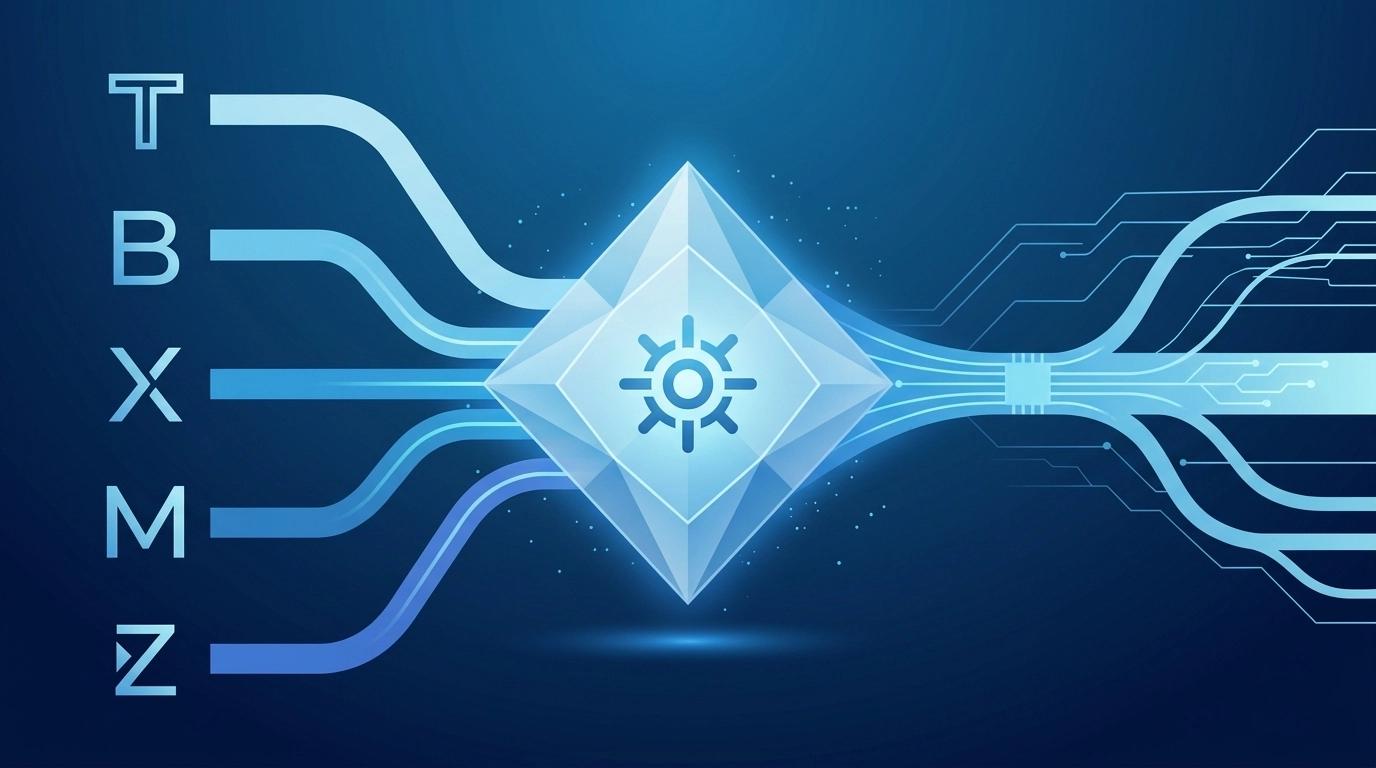
We call this model Silicon Bridges. The term refers to the role of Artificial Intelligence as the silicon-based connecting element that allows different generations to work together across very different operating speeds. In practice, AI helps translate the tacit knowledge of senior professionals into the digital speed of native generations, creating an unprecedented form of collaboration between experience, context, and execution.
AI has started to act as the connective infrastructure between distinct forms of value: the institutional memory of experienced professionals, the adaptability of mid-career leaders, and the digital fluency of younger teams. In practice, this changes who enters, who coordinates, who reviews, and how knowledge moves across the company. At FluencerAI, we see this as part of building an AI First Business: a model where technology reorganizes collaboration to improve speed, consistency, and ROI.
The misalignment few companies have noticed
The current problem isn’t just technology; it’s the speed gap. While the base of the pyramid (young talent) masters agile execution with AI, senior leadership is often still trying to grasp the ROI of these tools.
According to data from the Stanford AI Index 2026, this disparity has created an alarming phenomenon: junior developer hiring has dropped by 20% globally since late 2022. Senior employment, conversely, maintains its growth trajectory.
Why is this happening? Because AI is exceptionally good at "textbook" tasks—exactly what juniors usually do. Tacit knowledge, the kind that comes from years of facing crises and managing people, remains the safe harbor for veterans.
From rigid hierarchies to execution bridges
For decades, corporate work was organized in layers: the base learned, the middle coordinated, and the top decided. That structure depended on time, repetition, and gradual knowledge transfer. As AI absorbs standardized tasks, companies stop operating like ladders and start needing faster connections between experience, execution, and decision-making.

In this new pact, AI Agents take over part of the operational load, first-line support, and routine execution. Human value moves upward: the most important professionals are the ones who can interpret context, connect departments, review outputs, and turn automation into reliable business outcomes. Instead of a structure trapped in steps, companies move toward operations connected by bridges across generations and skills.
This shift demands a clear Process Automation strategy. If your entry funnel is closing, who will be the leader of the future? This is where strategic management becomes vital.
The ageism paradox and the smart solution
Many companies make the mistake of seeing mature professionals as "expensive" or "slow to adapt to technology." It’s a fatal strategic error. While AI automates know-how, it values know-decide.
To balance this scale, smart leaders are adopting two proven strategies:
- Reverse Mentoring (GE Case): Popularized by GE in the '90s and revitalized now, juniors teach executives to master LLMs and prompts, while seniors teach strategy and business vision.
- Shadow Boards (Gucci Case): Gucci created a council of young employees who discuss the same topics as the executive committee. The result? An explosion of innovation and cultural relevance that kept the brand at the top.
The integration between these forces is what allows for AI Development that makes business sense, rather than just chasing "hype."
What each generation brings to Silicon Bridges

- Traditionals and Boomers: Offer governance, ethics, and historical context. They are best at validating whether the AI output aligns with the brand’s reputation.
- Generation X: The "bridge generation." They understand both the analog and digital worlds, acting as key figures in leading the technological transition.
- Millennials: Focused on purpose and efficiency. They are the ones driving the creation of SaaS and new delivery models.
- Generation Z: Native fluency. They see AI as a coworker, not an external tool. They are the architects of the new AI Employees.
How FluencerAI helps navigate this transition
Understanding this dynamic is complex. Often, a company doesn’t need more tools; it needs a clear technical direction. That’s why we offer CTO on Demand. We act as the strategic arm that helps your leadership understand how AI can reorganize your team to generate real ROI without losing the business's soul.
The silent reorganization has already begun. Companies that ignore generational diversity in favor of blind automation will lose the human capital that machines can never replicate. Those that unite the freshness of Gen Z with the wisdom of Boomers, guided by robust technology, will be the leaders of 2026.
Want to know how to redesign your structure for this new reality? Contact FluencerAI and let’s build this strategy together.
About the Author
Related Articles

On-Demand CTO: The Survival Guide for Modern Tech Leadership
!Executive technology leadership environment with abstract dashboards and FluencerAI branding The image of a CTO who spends the entire day "bit-shoveling" and reviewing every line
5 min read
The AI Playbook: How to align culture and technology to scale with confidence
Many companies are stuck in a cycle of constant experimentation.
3 min read
HumanX 2026: Why Speed Without Method is the Recipe for AI Chaos
!HumanX 2026 Hero If you’ve been following the behind-the-scenes of HumanX 2026 in San Francisco, you’ve felt a clear shift in the air.
5 min read
Ready to transform your business?
Schedule a free call and discover how AI can scale your operations.